
In today’s world, international travel has become an integral part of many people’s lives. With the increasing demand for visas, unfortunately, the phenomenon of fake visas has also been on the rise. Many individuals unknowingly fall into the traps of fraudsters who provide fake documents, leading to serious legal and financial consequences. Therefore, understanding how to detect fake visas is crucial.
In this article, we will examine key points to identify counterfeit visas. From security features on visas to verification methods, we will review all the essential aspects that can help you recognize fraudulent visas. By being aware of these methods, you can avoid potential risks and confidently plan your travels.
Fraudsters use various deceptive and innovative methods to create counterfeit visas. These techniques include forging security holograms and watermarks, designing fake websites that closely resemble official sources, and even falsifying embassy stamps. Such tactics make it difficult for many people to distinguish between real and fake visas.
One of the most common scams in this field is the use of fraudulent websites and agencies. Some of these websites appear highly legitimate at first glance, featuring designs, logos, and names very similar to official sources. Statistics show that about 29% of users cannot identify these fake websites and easily fall victim to their scams.
To avoid such fraud, consider the following:
✅ Carefully check the website URL; official government websites usually end with .gov or .edu.
✅ Look for the SSL lock symbol in the browser’s address bar; this indicates a secure website connection.
✅ Visa fees should be paid at the final stages of the process, not at the very beginning.
✅ Always refer to official sources such as embassy websites and immigration ministry portals for information.
| Feature | Official Website | Fake Website |
|---|---|---|
| URL | Usually ends with .gov or .edu | Often ends with .com or .net |
| SSL Security Certificate | Displays a lock symbol in the address bar | Often lacks a lock symbol or has an invalid certificate |
| Payment Process | Fees are paid in the final stages | Fees requested at the beginning of the process |
| Source of Information | Directly from embassies and official agencies | Incomplete information or copied from other sources |
| Verification | Can be checked on government and official websites | No clear background and often negative user reviews |
🔹 Always use reputable websites and official sources. Before submitting documents or making payments, verify the website name and address through search engines.
🔹 Contact the embassy or consulate of the respective country. You can confirm the accuracy of the information via their official phone number or email.
🔹 Avoid newly registered domains. Scam websites typically have a short lifespan and are quickly shut down. You can check the domain’s WHOIS information.
🔹 Be cautious of offers that seem too good to be true. If a website promises a guaranteed visa with no required documents or offers extremely low prices, it is likely a scam.
By following these guidelines, you can protect yourself from potential fraud and proceed with confidence when applying for a visa.
Scammers often send emails or make sudden calls promising fast visa approvals in exchange for a fee. Legitimate agencies never contact individuals without an official request from the applicant.
To avoid falling victim to these frauds, follow these precautions:
✔ Ignore suspicious emails or calls claiming they can secure a visa quickly.
✔ Verify the sender’s email address to ensure it’s from an official source.
✔ Contact the embassy or an official agency to confirm the authenticity of any visa offer.
✔ Compare the proposed visa with an authentic one, as fake visas often contain visual defects or incorrect details.
Stay informed and protect yourself from visa fraud! 🚨
Read more about this topic:
Identifying counterfeit visas is crucial, as failing to recognize them can lead to serious legal issues. Below are the key methods for detecting fake documents.
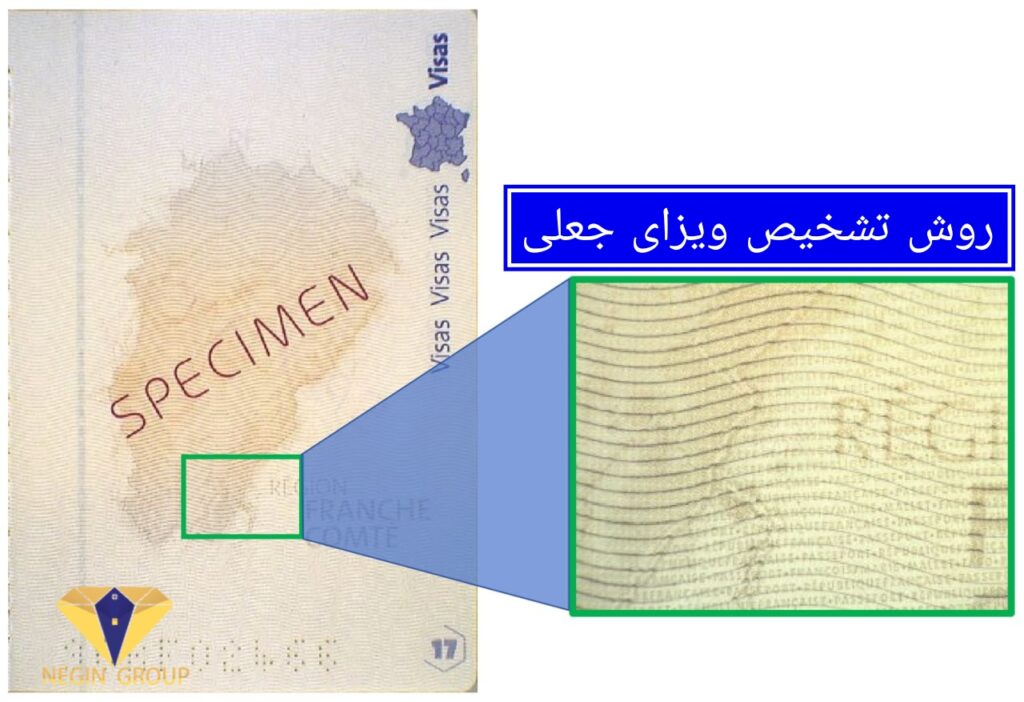
Authentic visas contain holograms that change color when exposed to light. Additionally, the watermark on a visa becomes visible when held against the light. Some countries also incorporate barcodes, QR codes, and microtext, making forgery more difficult.
Verification Method:
Genuine visas are printed on high-quality paper with clear and crisp ink. In contrast, counterfeit visas are often printed on low-grade paper with poor-quality ink.
Fake visas frequently have unclear fonts and low-resolution images. Additionally, spelling errors are another common indicator of forgery.
In many countries like Canada and Turkey, visa numbers are recorded in the official government database. To verify its authenticity:
The details on the visa should match the data on official government websites. If there is any discrepancy, the visa is likely counterfeit.
You can contact the embassy of the respective country to verify the visa’s authenticity. Always obtain embassy contact details from official sources.
Each country requires specific documents for different visa types. If a visa is missing essential documents, it may be fraudulent.
A legitimate visa application follows a standard processing time. If an agency promises to issue a visa significantly faster than usual, it is likely a scam.
Consulting with immigration lawyers can help detect fake documents. In case of legal issues, having an expert, such as the Negin Group, provides added security and peace of mind.
Using a fake visa can have severe consequences. While penalties vary across countries, common punishments include deportation, fines, and entry bans. Below are the main penalties for using a counterfeit visa:
Fines and Imprisonment: Many countries, including the UAE, Canada, and the UK, impose heavy fines and even prison sentences on individuals caught with fake visas. Jail time can range from a few months to several years.
Deportation: If immigration authorities detect a fake visa, the individual will be immediately deported back to their home country.
Entry Ban: Many countries blacklist individuals who use fraudulent visas. This ban may be temporary (several years) or permanent, preventing future entry.
Damage to Personal Records: Using counterfeit documents can harm a person’s immigration record, increasing the likelihood of future visa or residency applications being denied.
Employer or Sponsor Liability: If a fake visa is used for employment purposes, both the individual and their employer may face legal consequences. Employers risk heavy fines, business closure, or other legal restrictions. In some cases, this issue can even impact company registration in Turkey and opening a bank account in Turkey.
Read more about this topic:
When purchasing property in Turkey, verifying the authenticity of visas and immigration documents is crucial. A fake visa can lead to serious legal complications. To avoid such risks:
By following these precautions, you can protect your real estate investment in Turkey and avoid potential legal issues.
Call for price information.
467,000 €
From 2,050,000 €
Detecting a fake visa requires careful attention to detail. To identify fraudulent visas:
If you’re considering buying property in Alanya or Turkey, or looking for a profitable investment opportunity, our expert team is here to assist you. We offer 24/7 free consultations to guide you through a secure and successful investment process.
🔗 For more details, visit Alanya Home
📞 Contact us at: +90 553 861 2234